Coverage
Everything below is something I quote, write, and service myself. No call center in between, and the same phone number on the day you need to use it.
Auto
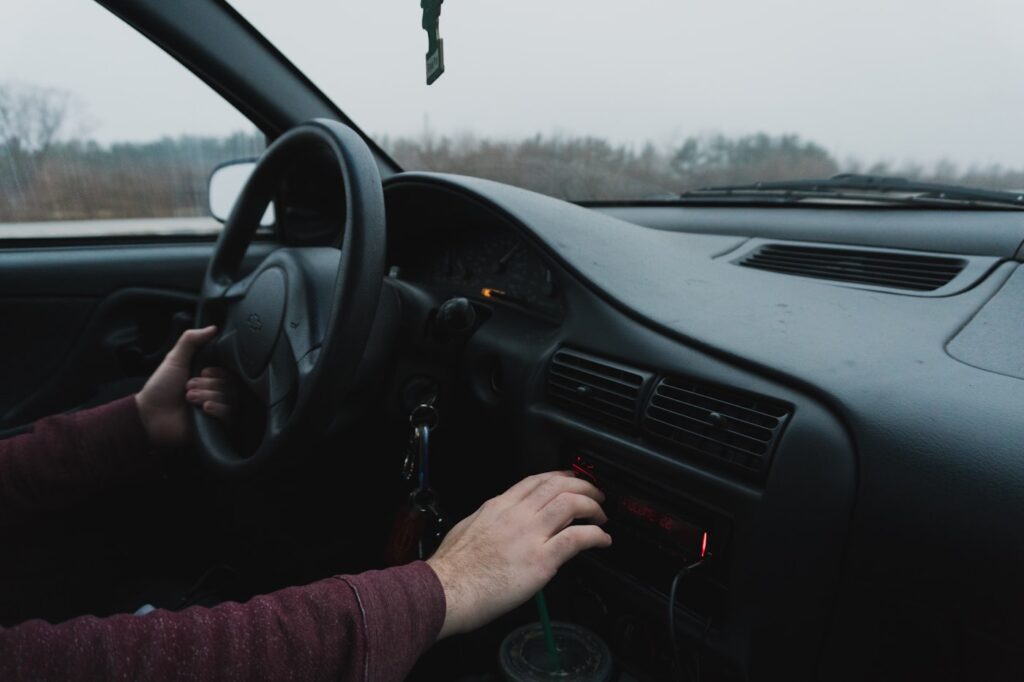
Most auto policies get bought on price and never looked at again. The three things that actually decide a claim — your liability limits, your deductible, and whether you carry uninsured-motorist coverage — are usually the three nobody walked you through.
Worth asking about: whether your policy still lists a car you sold or a driver who moved out. Both are more common than you'd guess, and both are costing you money right now.
Home & Renters
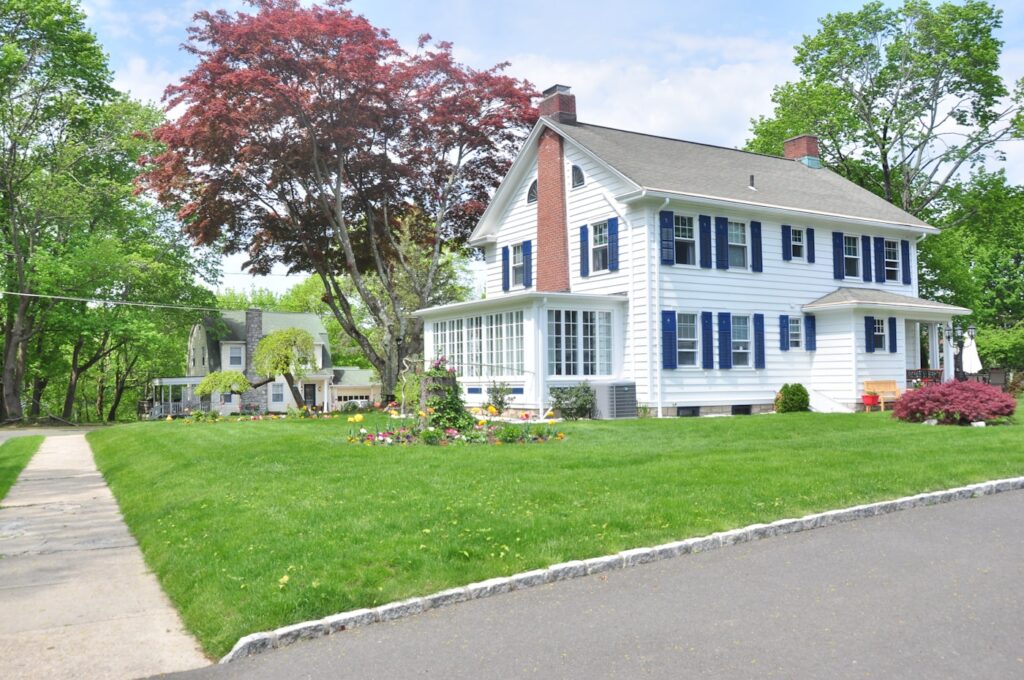
Hail and wind decide more claims than anything else. Two policies with the same dwelling limit can settle very differently depending on how the roof is covered — replacement cost or actual cash value — and that is rarely the line anyone reads before they need it.
Worth asking about: your wind and hail deductible. It is often a percentage of the dwelling limit rather than a flat dollar amount, which makes it considerably larger than the deductible you think you have.

Life
The useful question isn't how much life insurance you can afford. It's what your household would actually need to keep going — the mortgage balance, the years of income still ahead, the tuition, and the time someone would need before going back to work.
Worth asking about: what happens to your group life policy when you change jobs. For most people the answer is that it simply ends, and the replacement costs more at the older age you'll be buying it.

Business
Contractors, shops, and trades don't fit a template. The coverage that works depends on who's on the crew, what's in the truck, and whose property you're standing on when something goes wrong.
Worth asking about: whether your personal auto policy covers the truck you use for work. Frequently it doesn't, and that gets discovered at the claim rather than at the quote.

Umbrella
An umbrella policy sits on top of your auto and home liability limits and picks up where they stop. Relative to what it does, it's the least expensive coverage on this page — and the one most people assume they can't justify.
Worth asking about: whether there's a young driver in the household. It's the single most common reason a claim runs past an auto policy's limits.
Specialty
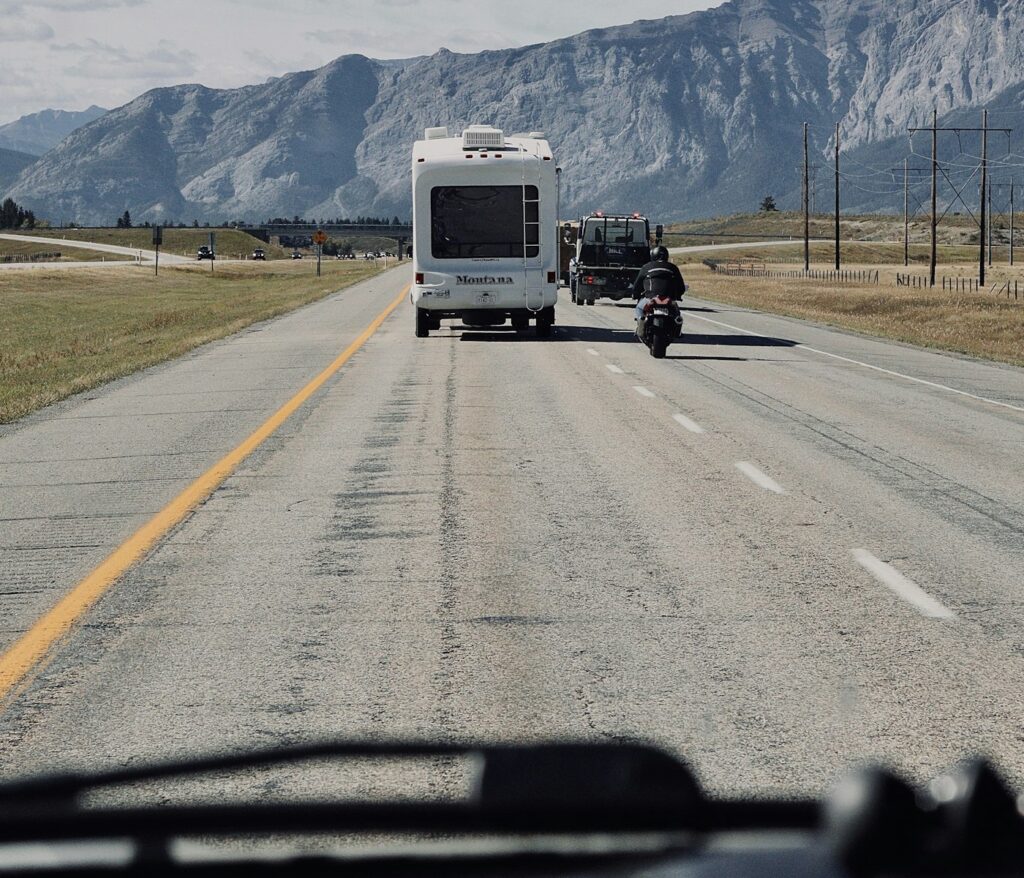
Bikes, campers, boats, and trailers spend a good part of the year parked. The coverage questions that matter most are usually about those months, not the ones you're actually out riding.
Worth asking about: what your policy does while the bike is in storage from November to March. Dropping coverage outright is usually a mistake — theft and hail don't wait for riding season.
Putting it together
Bundling isn't only a discount. It's how you avoid the seam between two carriers where neither one thinks the claim is theirs.
The most common pairing, and usually the largest discount available on either policy. It also means one set of limits reviewed together instead of two that drifted apart.
Once auto and home sit with the same carrier, an umbrella is the cheapest way to raise liability across both at once — often for less per month than one of the underlying policies.
Same agent for renewals, changes, and claims. If something moves — a car, a driver, an address — it gets updated everywhere it needs to, not just where you remembered to call.
Next step
Bring your current declarations page. We'll go through it line by line — about twenty minutes, no obligation — and you'll leave knowing exactly where you stand.
Freddie Martinez Agency. Freddie Daniel Martinez, License #593256, is an agent of Farmers Insurance Group. Underwritten by Farmers, Truck, or Fire Insurance Exchanges, or affiliate. Insurer license & location info: farmers.com/companies/state/. Insurers not authorized in all states. Each insurer solely financially responsible. Coverage descriptions on this page are general summaries offered for informational purposes and are not a statement of contract. Actual coverage is subject to the terms, conditions, and exclusions of the policy as issued, and to underwriting approval. Farmers® is a registered trademark of Farmers Group, Inc.